
If you are pregnant and expecting a baby or require attention towards diagnosis and treatment of female reproductive organs, then you are at the right place. Our gynaecology and obstetrics expertise helps treat women's health issues pertaining to menopause, hormone problems, contraception, infertility etc.
We also offer gynaecology that deals with any ailment concerning the reproductive organs – the uterus, fallopian tubes, cervix, ovaries and the vagina. We are also equipped to treat problems related to complications in the bowel, bladder and the urinary system since these are closely related to the female reproductive organs.

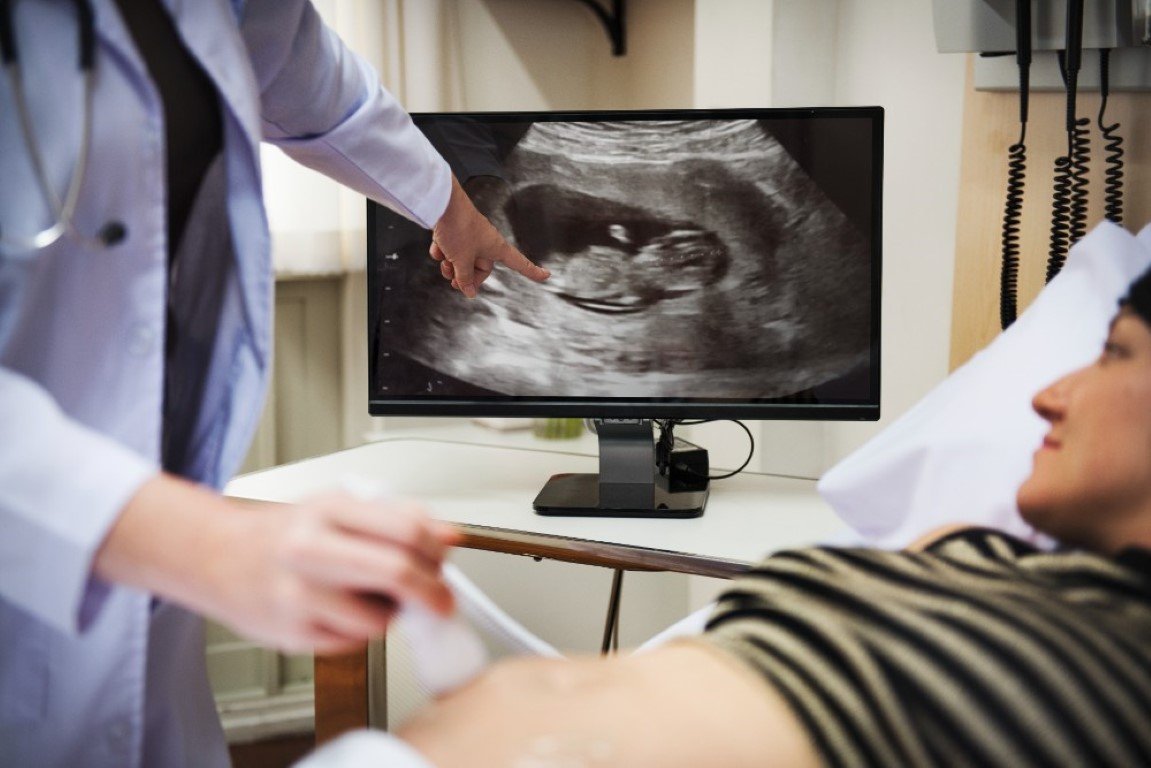
An ultrasound (sonogram) is an imaging technique that uses sound waves to produce images of internal organs. A regular ultrasound may be recommended when the doctor needs to investigate causes of certain illnesses or symptoms.
In addition to the regular ultrasound, we also offer foetal ultrasound images that can help the healthcare provider to evaluate the baby's growth and development, and monitor a woman's pregnancy.
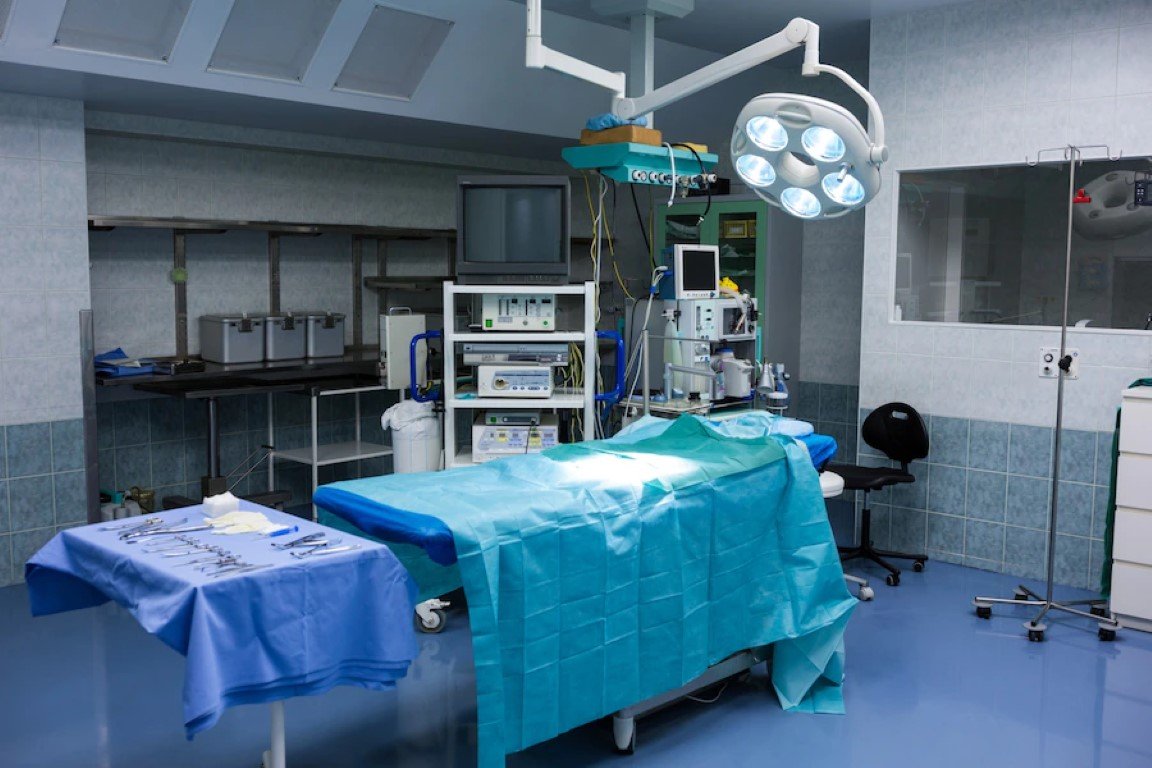
Laparoscopy is a type of surgical procedure that allows a surgeon to access the inside of the abdomen and pelvis without having to make large incisions in the skin. This procedure is also known as keyhole surgery or minimally invasive surgery.
A laparoscopy allows your doctor to see inside your body in real time, without having to make large incisions. Your doctor can also obtain biopsy samples during this procedure.

An intensive care unit (ICU) is a special department that provides intensive care medicine. Intensive care units cater to patients with severe or life-threatening illnesses and injuries, which require constant care, close supervision from life support equipment and medication.
They are staffed by highly trained physicians, nurses and respiratory therapists who specialize in caring for critically ill patients.
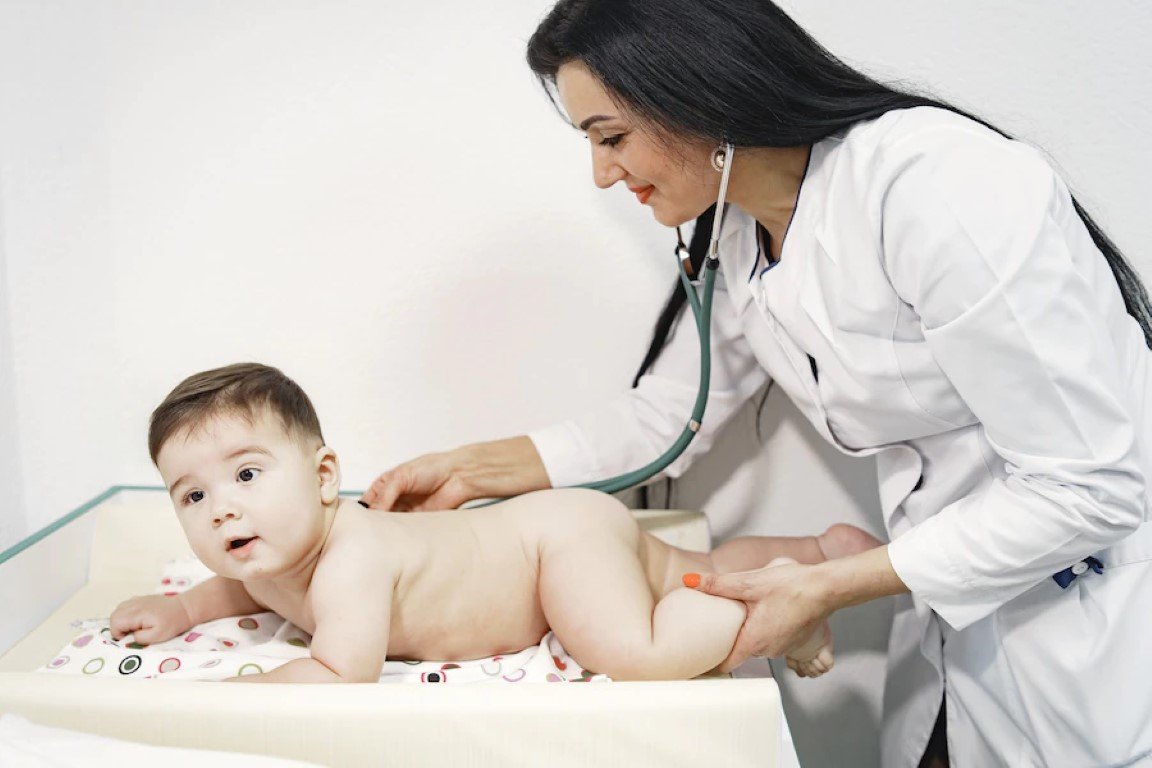
Pediatrics is the branch of medicine dealing with the health and medical care of infants, children, and adolescents from birth up to the age of 18.
A paediatrician manages physical, mental, and emotional well-being of the children under their care at every stage of development, in both sickness and health.

The PICU is the section of the hospital that provides sick children with the highest level of medical care. It differs from other parts of the hospital, like the general medical floors.
The PICU also lets medical staff provide therapies that might not be available in other parts of the hospital. These can include ventilators (breathing machines) and medicines used only under close medical supervision.
The early years of a child's life are very important for his or her health and development. Healthy development means that children of all abilities, including those with special health care needs, are able to grow up where their social, emotional and educational needs are met.
Having a safe and loving home and spending time with family—playing, singing, reading, and talking—are very important. Proper nutrition, exercise, and sleep also can make a big difference.

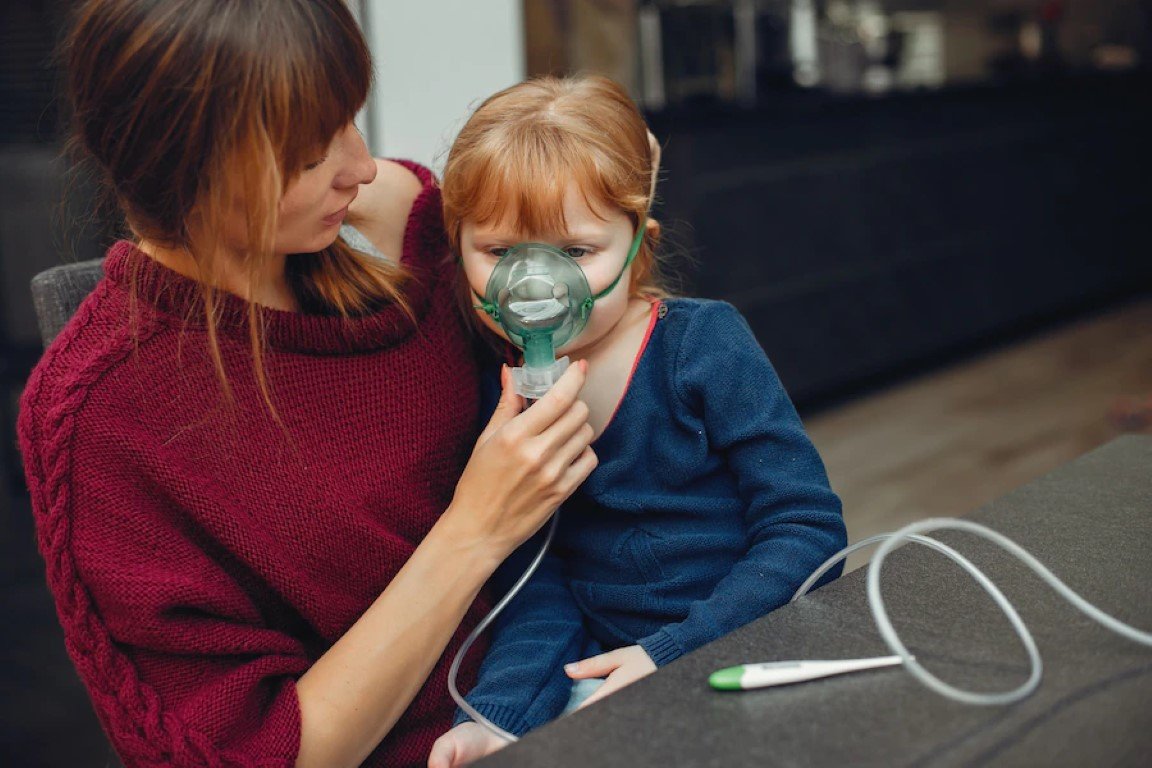
Asthma can be hard to diagnose. Your child's doctor will consider the symptoms and their frequency and your child's medical history. Your child might need tests to rule out other conditions and to identify the most likely cause of the symptoms.
There are many types of cancer treatment. The types of treatment that you receive will depend on the type of cancer you have and how advanced it is. Some people with cancer will have only one treatment. But most people have a combination of treatments, such as surgery with chemotherapy and radiation therapy.

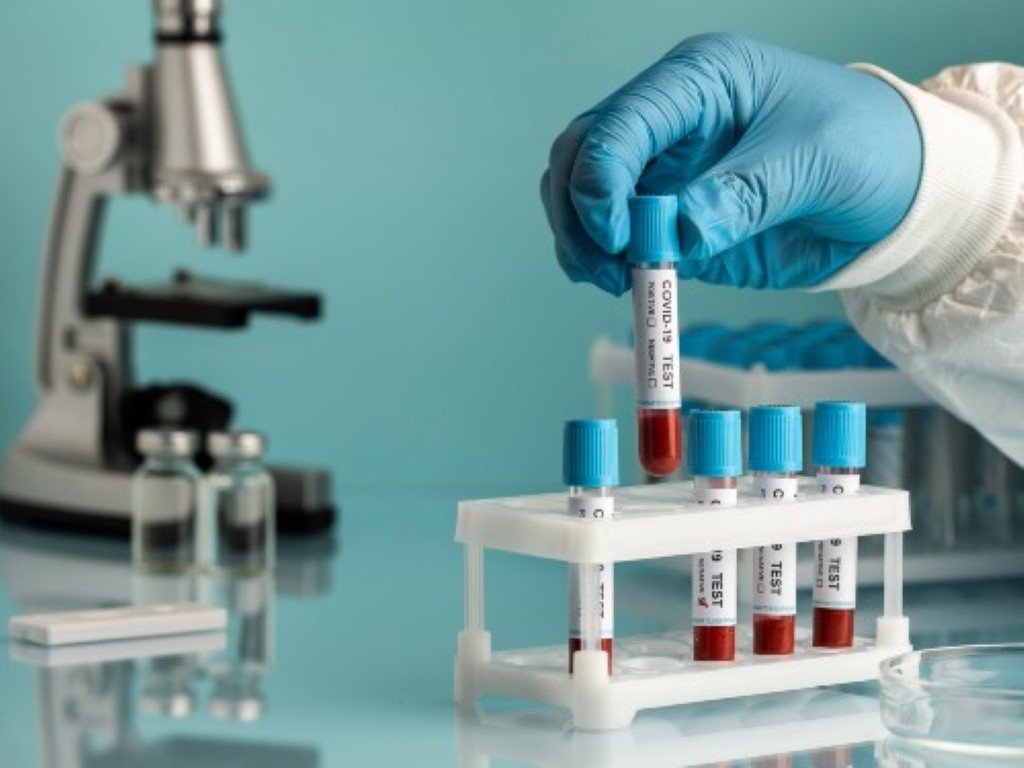
The goal of pathology examination of tissue is to provide accurate, specific and sufficiently comprehensive diagnoses to enable the treating physician to develop an optimal plan of treatment. There are hundreds of varieties of tumors, most with characteristic biology, that require accurate diagnosis by pathologists.
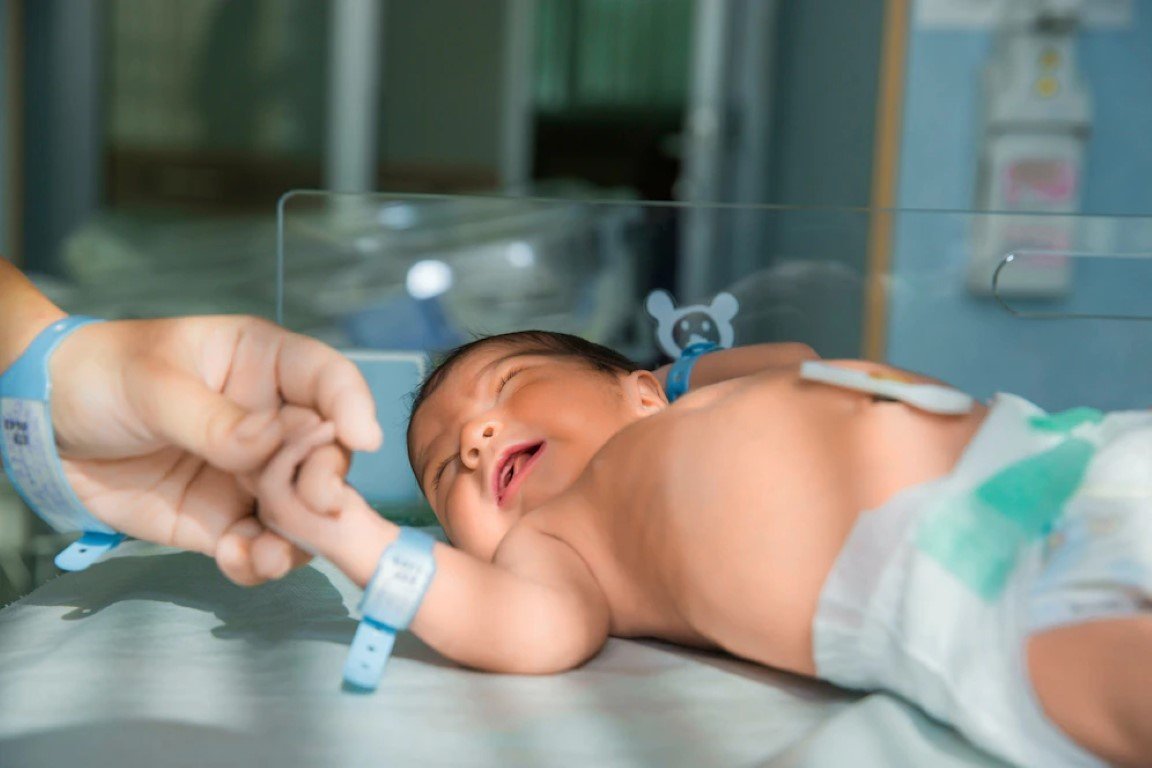
A neonatal intensive care unit (NICU), also known as an intensive care nursery (ICN), is an intensive care unit specializing in the care of ill or premature newborn infants. Neonatal refers to the first 28 days of life.
Parents can visit and spend time with their babies who stay in the NICU. Other family members might be able to visit, but only during set hours and only a few at a time.
At Aarogyam Hospital, we pursue excellence in all that we do.
Book Now